
TDRA Type Approval in the UAE: Complete Guide for Importers
23 October 2026 · Emiracle Advisory
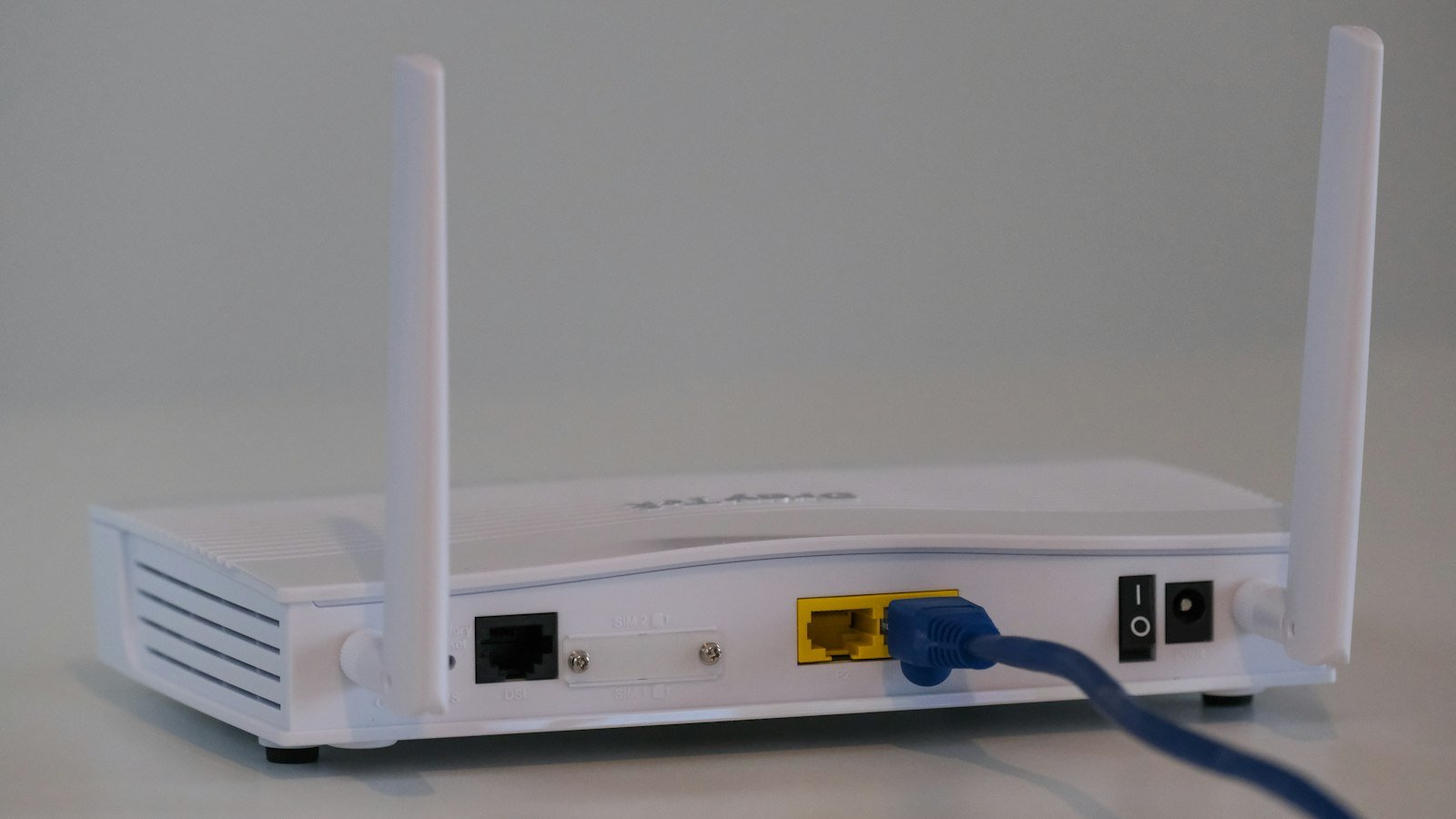
Quick answer: TDRA type approval is mandatory for any telecom, radio or wireless device that is imported, manufactured, displayed or sold commercially in the UAE. You first register as a telecom supplier with TDRA, then submit each model with its technical file and, for medium and high risk devices, accredited test reports. Certificates last three years and must carry the TDRA conformity mark.
Key takeaways
- Every company dealing commercially in telecom equipment must hold a TDRA supplier registration, valid for five years, before it can approve devices.
- Equipment is classified into three risk levels, which decide whether test reports and technical inspection are required.
- TDRA publishes its fees: AED 5,500 for supplier registration and AED 500 review plus AED 200 issuance for each device certificate.
- Device certificates are valid for three years and the conformity mark must appear on the product, packaging and online listings.
- Selling on the strength of test reports alone is not allowed. You need the certificate in hand first.
What is TDRA type approval and who needs it?
The Telecommunications and Digital Government Regulatory Authority (TDRA) regulates all telecommunications equipment placed on the UAE market. Its Type Approval Regime, updated to version 4.0 in January 2026, applies to any natural or legal person carrying out an economic activity relating to telecommunications equipment. That covers manufacturing, importing, displaying, selling and commercial use, as well as export of goods labelled as made in the UAE.
In practical terms, TDRA type approval is needed for mobile phones, tablets, laptops with Wi-Fi, routers, smart home devices, wearables, Bluetooth audio, IoT modules and trackers, drones, walkie-talkies and PMR radios, marine and amateur radio sets, and wired terminal equipment that connects to UAE networks.
Importers and distributors
Importers must be licensed and registered in the UAE and are responsible for the compliance of what they bring in. Customs release for commercial shipments relies on the approved device appearing in your TDRA account, so approval has to come before the goods land, not after.
Manufacturers, local and international
Foreign manufacturers can register as suppliers and hold their own approvals, or delegate approval powers to a UAE-based importer. Local manufacturers are registered as Local Telecommunications Equipment Manufacturers under the Made in the Emirates framework.
Who is exempt?
The policy exempts limited quantities held for personal, non-commercial use, government entities using equipment for their own needs, and goods brought in on a temporary customs permit for exhibitions, trials, maintenance or repair, which must be re-exported. Items on TDRA’s prohibited list cannot be used or sold under any exemption.
How does dealer registration with TDRA work?
Before you can submit a single device, your company must register as a telecom supplier, often called dealer registration. TDRA describes this as a condition of the equipment approval service, which is open only to companies and factories registered as suppliers of telecom devices.
Licence requirements
You need a valid commercial licence that includes a telecommunications activity, or initial approval from an economic department or free zone. If your current licence does not list a suitable activity, add it first. This is one of the most common reasons applications stall, and it is often easier to fix at the company setup stage than later.
Documents for supplier registration
- Valid trade licence with a telecom activity (or a home-country licence in Arabic or English for overseas companies).
- Authorisation letter from the supplier or manufacturer.
TDRA lists an expected time of 1 working day and a fee of AED 5,500, made up of a AED 500 application fee and AED 5,000 issuance fee. The registration is valid for five years and renews at AED 5,100. Companies licensed by the Department of Economic Development in Abu Dhabi submit through that department.
What are the TDRA type approval levels and categories?
TDRA does not use Category A and B labels. Wireless equipment is assessed on three risk levels, while wired terminal equipment follows a separate route. The table below summarises what TDRA publishes for each.
| Approval route | Risk | Evidence required | TDRA expected time |
|---|---|---|---|
| Level 1 wireless | Low | Supplier’s Declaration of Conformity and technical data sheet; no technical inspection | 1 working day |
| Level 2 wireless | Medium | Test reports from an ILAC-accredited lab or a certificate of conformity from a TDRA-accredited body; inspection sometimes requested | 5 working days |
| Level 3 wireless | High | Accredited test reports or certificate of conformity, plus technical inspection of samples | 10 working days |
| Wired terminal equipment | Varies | Interoperability tests with licensed UAE service providers plus TDRA technical tests | Varies |
Expected times run from submission of a complete file. They do not include time spent sourcing test reports, preparing samples or answering queries.
How do you apply for TDRA type approval step by step?
Applications are made online through the TDRA website or smart app, using UAE Pass. The published process is:
- Confirm your trade licence carries a telecom activity and register as a telecom supplier.
- Classify each model by risk level and check it against the relevant UAE technical specifications.
- Collect the technical file, declaration of conformity and accredited test reports.
- Log in with UAE Pass and complete the equipment registration form for the model.
- Attach all documents and pay the AED 500 transaction review fee.
- Respond to any TDRA queries and provide samples if technical inspection is requested.
- Once approved, pay the AED 200 certificate issuance fee and download the certificate.
- Apply the TDRA conformity mark to the device, packaging and listings before sale.
The policy also provides for a preliminary approval, issued before final testing, which lets you start using the mark. The full application must then be completed within 30 days or the preliminary approval may be cancelled. Applications referred back to you are cancelled automatically if not completed within 30 days.
What documents and test reports does TDRA require?
Requirements depend on the device’s level and technology, but a complete file usually contains the items below.
Core document checklist
- Official technical data sheet showing frequency bands, output power and supported technologies.
- Supplier’s Declaration of Conformity for each model, prepared in line with ISO/IEC 17050-1.
- Radio, electromagnetic compatibility and safety test reports for Level 2 and Level 3 devices.
- IMSI certificate for network-enabled smart devices where applicable.
- Photos, user manual and labelling artwork showing where the mark will appear.
- Samples where TDRA requests them. Its service page refers to one sample for Wi-Fi, PMR, marine and amateur radio and TETRA equipment, and two for mobile phones and drones.
What makes a test report acceptable?
TDRA accepts reports from laboratories with ISO/IEC 17025 testing accreditation or certification bodies accredited to ISO/IEC 17065, where the accreditation body is an ILAC member. Reports issued under UAE mutual recognition agreements are also accepted. Reports produced for CE or FCC purposes are often reusable if they come from such a lab and cover the bands and standards TDRA expects, but they must match the exact model and hardware version you are submitting.
Optional TDRA testing fees
Where TDRA performs tests itself, its published schedule includes, for example, AED 2,600 for a 4G mobile phone, AED 4,000 for 5G, AED 8,100 for Wi-Fi, AED 2,700 for Bluetooth, AED 3,800 for NB-IoT and AED 1,400 for ISM band and short range devices. Tests not listed are charged at AED 4,000 each. Confirm current amounts on the TDRA service page before budgeting.
What are the TDRA labelling rules?
The conformity mark is the official evidence that a device holds TDRA type approval, and misusing it is a regulatory violation. Under the current policy:
- On packaging, the mark must be clear, legible, non-removable and visible to consumers.
- On the device, it must be permanently affixed or, where that is impracticable, shown in the settings or device information screen.
- Detachable radio modules carry their own mark; fully integrated modules need a conformity statement on the packaging or in the manual.
- In shops, the mark must be displayed beneath the device on show.
- Online, it must appear on each product page before purchase, which matters for marketplace and e-commerce sellers.
How do renewal and validity work?
A device certificate is valid for three years and renews for a further three years provided there are no changes to specifications, appearance, model number or trade name. Apply within 30 days before expiry or up to 15 days after. TDRA lists renewal as immediate, at AED 300 in total. After the window, the certificate is temporarily suspended and a delay fee of AED 100 per month applies, for up to six months, after which the transaction is cancelled.
Supplier registration renews every five years. Separately, major operating system updates require compatibility tests, with results submitted within 30 days of the update. Any hardware change or rebranding normally means a new application rather than a renewal.
What are common TDRA type approval mistakes?
- Shipping before approval. Goods without an approved model in your account can be held at customs. TDRA’s customs release permit is free and quick, but only once the device is certified.
- Wrong licence activity. A general trading licence without a telecom activity will block supplier registration.
- Mismatched test reports. Reports for a different hardware version, model suffix or band set are a frequent cause of rejection.
- Ignoring online labelling. Marketplace listings without the mark are picked up by electronic monitoring.
- Missing renewals. Lapsed certificates are suspended and attract monthly delay fees.
- Forgetting other regulators. Many electronics also need MoIAT product conformity, and some activities require special activity approvals.
How Emiracle helps
Emiracle Advisory manages the full approval journey for importers, distributors and manufacturers from our office in Downtown Dubai. Our TDRA type approval service covers licence activity checks, supplier registration, device classification, test report review against TDRA requirements, application filing, query handling, labelling guidance and renewal tracking. As an authorised channel partner across 45+ UAE free zones, we can also set up or amend the licence you need so your telecom activity is in place before you apply, and coordinate parallel MoIAT conformity where your products require it.
Ready to bring your devices to the UAE market? Speak to an Emiracle advisor, call or WhatsApp +971 52 185 3005, or email info@emiracle.ae for a document review.
For the official position, see TDRA’s equipment registration service page and the Type Approval Regime policy.
Frequently asked questions
Do I need TDRA approval for a Bluetooth speaker or smartwatch?
Yes, if it is sold commercially in the UAE. Any product with a radio function, including Bluetooth, Wi-Fi, NFC or cellular connectivity, falls within the telecommunications equipment regime and needs a TDRA certificate before it is displayed, sold or marketed.
Can a foreign manufacturer apply without a UAE company?
TDRA states that supplier registration can be accessed from outside the UAE, and the policy allows a foreign company to submit its home-country trade licence in Arabic or English. In practice, many manufacturers appoint a UAE importer or distributor to hold approvals and handle customs.
How long does TDRA take to approve a device?
TDRA publishes expected times of 1 working day for Level 1, 5 working days for Level 2 and 10 working days for Level 3 equipment, once a complete application is submitted. Preparing test reports and documents usually takes longer than the review itself.
How long is a TDRA equipment certificate valid?
The certificate of conformity is valid for three years. The telecom supplier registration is valid for five years. Both must be renewed before expiry to avoid suspension and monthly delay fees.
Are CE or FCC test reports accepted?
TDRA accepts test reports from laboratories accredited by an ILAC member body, so reports produced for CE or FCC purposes are often usable if the lab is properly accredited and the tests cover the relevant UAE technical requirements. A CE or FCC mark alone is not a UAE approval.
What happens if I sell equipment without approval?
TDRA carries out market surveillance in shops and on online platforms. Non-compliant equipment can be banned from display and sale, recalled or withdrawn, and related registrations can be suspended or cancelled, with the establishment bearing the administrative costs.
Do I need MoIAT certification as well as TDRA approval?
Possibly. TDRA covers the telecommunications and radio aspects of a product. Some electrical and electronic products also fall under MoIAT conformity schemes, so check both requirements for each product line before shipping.
Last reviewed: 23 October 2026. Rules change; confirm current requirements with an Emiracle advisor before you apply.