
Can a Free Zone Company Operate on Mainland Dubai? 2026 Guide
17 October 2026 · Emiracle Advisory
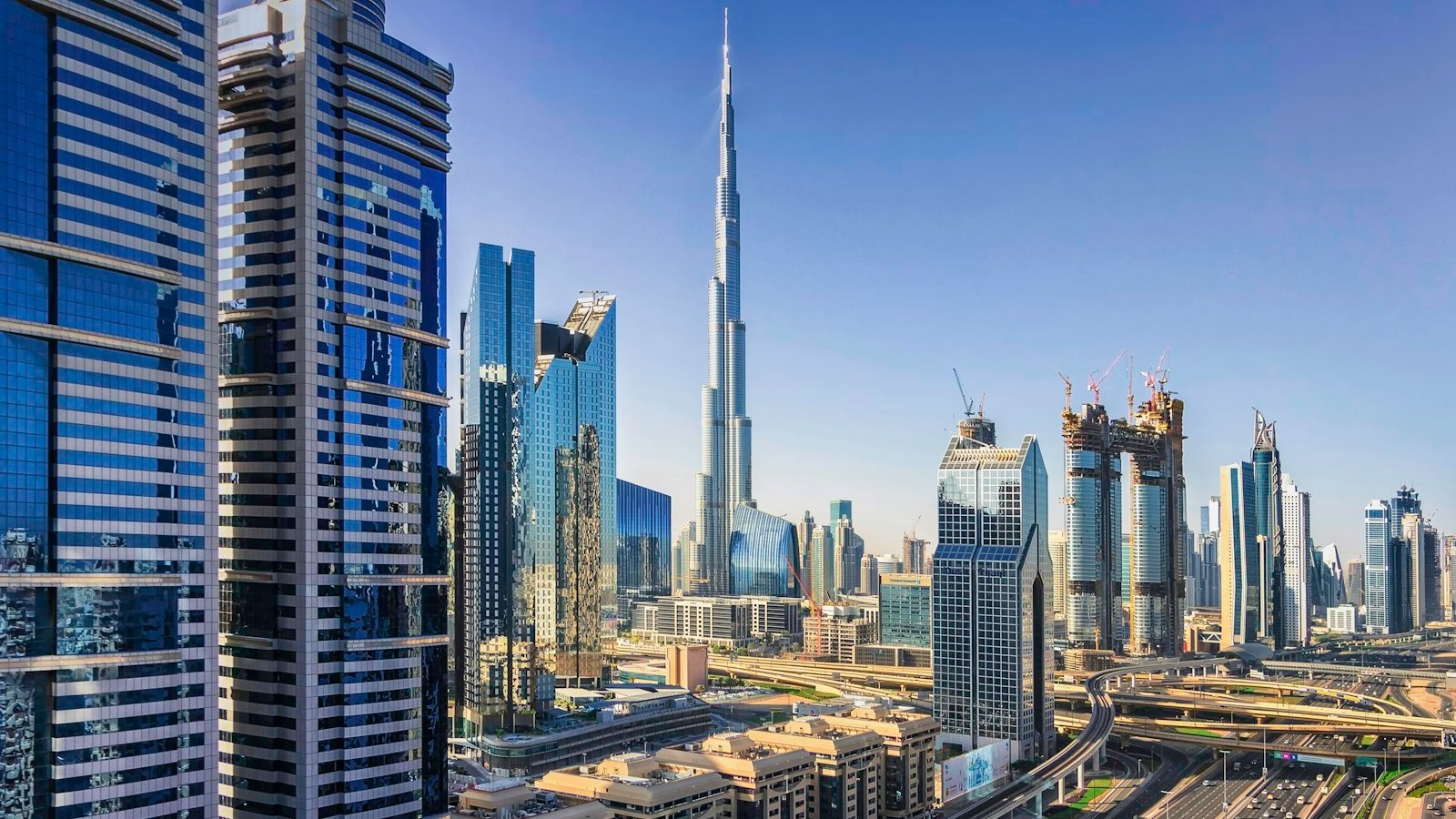
Quick answer: Can a free zone company operate on mainland Dubai? Yes. Since Dubai Executive Council Resolution No. 11 of 2025, an eligible Dubai free zone company can operate on mainland Dubai under a Free Zone Mainland Operating Permit from the Department of Economy and Tourism (DET). The permit costs AED 5,000 for six months and covers non-regulated activities first. Mainland income is taxed at 9%.
Key takeaways
- Resolution No. 11 of 2025 lets Dubai licensed free zone entities (excluding DIFC financial entities) trade in mainland Dubai through a permit or a branch licence.
- The Free Zone Mainland Operating Permit, launched on 8 October 2025, costs AED 5,000 for six months and is renewable at the same fee.
- Phase one covers non-regulated activities: technology, consultancy, design, professional services and trading.
- Applicants need a Dubai Unified Licence (DUL) and apply online through the Invest in Dubai platform.
- Mainland income is generally taxed at 9% as a domestic permanent establishment, and you must keep separate financial records.
- For large, permanent or regulated mainland business, a mainland branch or a separate mainland company is often the better route.
Can a free zone company operate on mainland Dubai?
For years the answer was “not directly”. A free zone licence allowed you to trade inside your zone and internationally, while selling to mainland customers usually meant appointing a local distributor, opening a mainland branch or setting up a second company. That changed in 2025. Today a Dubai free zone company can operate on mainland Dubai legally, but only through one of the routes created by the Dubai government, and only for activities DET has approved.
Before you let your free zone company operate on mainland Dubai, weigh three things: what you sell, how much mainland revenue you expect, and how carefully you can separate that income for corporate tax. This guide walks through each.
What does Resolution 11 of 2025 actually say?
Dubai Executive Council Resolution No. 11 of 2025, issued in March 2025, regulates free zone entities that carry on activities in mainland Dubai. It applies to entities licensed by Dubai free zone authorities and excludes financial entities operating in the Dubai International Financial Centre. Law firm commentary on the resolution describes three permission types:
- A licence to establish a branch in mainland Dubai.
- A licence for a mainland branch whose head office stays in the free zone.
- A temporary permit allowing certain activities in mainland Dubai, now known as the Free Zone Mainland Operating Permit.
Each route needs prior approval from your free zone licensing authority and, where relevant, other supervising government bodies. Advisers also note that entities already trading outside their zone were given a transition window to regularise, so if you are already serving mainland clients informally, treat this as a priority.
What is the DET mainland permit?
On 8 October 2025 the Dubai Business Registration and Licensing Corporation, part of DET, launched the permit with the Dubai Free Zones Council. According to the official Dubai Media Office announcement, the DET mainland permit is valid for six months, costs AED 5,000 and is renewable every six months at the same fee. Eligible companies holding a Dubai Unified Licence apply digitally through the Invest in Dubai platform. The announcement says the scheme opens domestic trading, supply chains and government tenders to more than 10,000 active free zone firms.
We found no official change to the permit fee or scope announced in 2026 at the time of review. DET has said regulated sectors will follow, so check the current eligible activity list before you apply.
Which activities are eligible for the mainland permit?
The first phase is limited to non-regulated activities. The official announcement lists five sectors:
- Technology
- Consultancy
- Design
- Professional services
- Trading
Regulated activities, such as healthcare, education, financial services and other activities that need approval from a sector regulator, are not covered in the first phase. DET, with the relevant licensing authorities, decides which licensed activities qualify, so the precise activity code on your free zone licence matters more than the general sector label. If your activity sits on the line, ask before you build a sales plan around the permit.
Who cannot use the permit?
- Companies licensed in free zones outside Dubai. The resolution is a Dubai measure; other emirates have their own rules.
- DIFC financial entities, which are expressly excluded.
- Entities whose free zone licence has expired or is under suspension.
- Businesses in regulated activities until DET extends the scheme.
How do you apply for the Free Zone Mainland Operating Permit?
The official process is digital. In practice, most applicants follow these steps:
- Confirm your activity is on the eligible list and that your free zone licence is valid for at least the permit period.
- Obtain or link your Dubai Unified Licence, the single business identifier that Dubai uses across free zone and mainland systems.
- Request a no objection or approval from your free zone authority, where your zone requires one.
- Submit the application on the Invest in Dubai platform with your trade licence, company documents and details of the mainland activity.
- Pay the AED 5,000 permit fee and receive the permit, valid for six months.
- Set up separate accounting for mainland revenue and costs before you issue the first mainland invoice.
- Diarise renewal well before the six month expiry and review whether a branch or mainland company now makes more sense.
Processing times are not published as a fixed service standard, so plan for some variation and confirm current timings with DET.
Permit, branch or new company: how should a free zone company operate on mainland Dubai?
A free zone branch on mainland and a separate mainland company existed before 2025 and remain valid options. The table compares the three routes on the factors that usually decide the matter.
| Factor | Mainland Operating Permit | Mainland branch of free zone company | New mainland company |
|---|---|---|---|
| Legal entity | Same free zone entity, permit only | Branch of the free zone entity, no separate legal personality | Separate legal entity with its own licence |
| Issuing authority | DET via Invest in Dubai, with free zone approval | DET, with free zone approval | DET |
| Validity | Six months, renewable | Annual licence, renewable | Annual licence, renewable |
| Official fee | AED 5,000 per six months | Varies; confirm with DET | Varies by activity and office; confirm with DET |
| Activities | Non-regulated first phase only | Wider range, subject to approvals | Full mainland activity list, subject to approvals |
| Office and staff | Uses existing free zone staff; no new visas needed | Typically needs mainland premises | Needs mainland premises and its own visa quota |
| Corporate tax on mainland income | Generally 9% as domestic permanent establishment | Generally 9% as domestic permanent establishment | Taxed as a separate mainland company at the standard rates |
| Best for | Testing demand, project work, a few mainland clients | Steady mainland trade under one brand and entity | Large or regulated mainland business, government work, long term local presence |
When the permit is the right choice
The permit is quick, relatively low cost and does not need new premises or visas. It works well for a consultancy that has won a mainland contract, a software company selling subscriptions to Dubai businesses, or a trader that wants to supply mainland retailers on a trial basis. The six month cycle keeps your commitment short.
When a branch or separate company makes more sense
If mainland revenue becomes a large share of the business, or you need a showroom, a mainland address on tender documents, or regulated approvals, a branch or a dedicated company is usually cleaner. A separate mainland company also creates a clear legal and tax boundary, which some groups prefer when protecting free zone tax status. Our company expansion service and mainland company setup team can model both.
How does corporate tax treat a free zone company operating on the mainland?
Corporate tax is where many businesses get this wrong. A free zone company can benefit from a 0% rate on qualifying income only if it is a qualifying free zone person (QFZP). The conditions, set out in the Corporate Tax Law, Cabinet Decision No. 100 of 2023 and Ministerial Decision No. 265 of 2023, include:
- Maintaining adequate substance in the free zone.
- Deriving qualifying income from qualifying activities.
- Keeping non-qualifying revenue within the de minimis limit of 5% of total revenue or AED 5 million, whichever is lower.
- Complying with transfer pricing rules and preparing audited financial statements.
- Not electing to be taxed under the standard regime.
How mainland income is taxed
The free zone rules include a “domestic permanent establishment” concept. Where a QFZP has a place of business or other presence outside the free zone in the UAE, the income attributable to that presence is calculated as if it belonged to a separate, independent person and taxed at 9%. That revenue is excluded from the de minimis test, so it does not, on its own, cost you QFZP status. The official permit announcement confirms that mainland revenue is subject to 9% corporate tax and that separate financial records must meet Federal Tax Authority requirements.
The Federal Tax Authority explains the free zone regime in detail in its Corporate Tax Guide on Free Zone Persons. Read it alongside the Ministry of Finance decisions before you start mainland trading.
Common tax pitfalls
- Mixing mainland and free zone invoices in one ledger, which makes attribution hard to defend.
- Selling goods to mainland customers from a free zone in ways that fall outside the qualifying activity rules.
- Selling to individuals (natural persons), which is generally an excluded activity for qualifying income purposes.
- Ignoring transfer pricing on shared staff, premises and overheads between the free zone and mainland operations.
Failing a QFZP condition means 9% on all taxable income for that period and the following four tax periods, so the stakes are high. Our corporate tax advisers can review your income mapping before you apply.
What practical factors should decide your route?
Expected mainland revenue
Small or occasional mainland sales point to the permit. Steady, growing mainland income points to a branch or a separate mainland company.
Activity and regulation
If your activity is regulated, the permit may not be available yet. Check the eligible activity list first.
Customers and tenders
Some government and corporate buyers want a mainland licence on file. Confirm what your target customers require before choosing.
Tax position
If you rely on QFZP status, the cleanest structure is usually the one that keeps mainland income clearly separate, whichever route you pick.
Cost and admin over three years
Compare six monthly permit renewals, branch licence costs and the full running cost of a second company, including audit and accounting. Remember the permit only applies in Dubai; trading in other emirates needs separate permissions.
If you are still choosing a zone, our free zones guide compares Dubai options.
How Emiracle helps free zone companies expand to the mainland
Emiracle Advisory is an authorised channel partner across 45+ UAE free zones, based in Boulevard Plaza Tower 1, Downtown Dubai. We help you decide the best way to let your free zone company operate on mainland Dubai, whether by permit, branch or new mainland company, then handle the work: activity checks, free zone approvals, Dubai Unified Licence and Invest in Dubai applications, branch or mainland licensing, and corporate tax structuring so your mainland revenue is properly separated.
Ready to sell to mainland Dubai customers? Speak to an Emiracle advisor, call +971 52 185 3005 or message us on WhatsApp for a route review based on your licence and revenue plans.
Frequently asked questions
Can a free zone company operate on mainland Dubai without a mainland licence?
Yes, within limits. Under Dubai Executive Council Resolution No. 11 of 2025, an eligible Dubai free zone entity can apply to the Department of Economy and Tourism for a Free Zone Mainland Operating Permit or a mainland branch licence. Operating on the mainland with no permit, branch or mainland company remains a compliance risk.
How much does the Free Zone Mainland Operating Permit cost?
The Dubai Media Office announced in October 2025 that the permit costs AED 5,000 and is valid for six months, renewable for the same fee. Your free zone and any Dubai Unified Licence steps may carry their own charges, so confirm the full cost before you apply.
Which activities are eligible for the DET mainland permit?
The first phase covers non-regulated activities in technology, consultancy, design, professional services and trading. Regulated activities were announced as a later phase. DET decides which activities qualify, so check your specific licensed activity before applying.
Does Resolution 11 of 2025 apply to free zones outside Dubai?
No. The resolution covers free zone entities licensed in Dubai operating in mainland Dubai. A company in an Abu Dhabi, Sharjah or other emirate free zone needs to follow the rules of the emirate where it wants to trade.
Will mainland income affect my qualifying free zone person status?
Income earned through a mainland presence is generally treated as a domestic permanent establishment, taxed at 9% as if it were a separate person. That treatment is designed to protect the 0% rate on qualifying income, provided you keep proper separate records and meet every other QFZP condition.
Do I need new visas for staff who work on the mainland under the permit?
According to the official announcement, permit holders can use their existing free zone employees for mainland work without new hires, transfers or new visas. Check any activity specific conditions with DET and your free zone.
Is it better to open a separate mainland company instead?
A separate mainland company suits businesses whose mainland revenue is large, permanent or in regulated activities, or that need a mainland office, mainland visas and full local market presence. For testing demand or serving a few mainland clients, the permit is usually simpler.
Last reviewed: 17 October 2026. Rules change; confirm current requirements with an Emiracle advisor before you apply.